
Keeping Your Dog Cool and Safe During A Heatwave
When the heat rises, our dogs can’t just shrug off the heat the way we can, they rely on us to keep them comfortable, hydrated, and out of harm’s way. Here’s a guide to help your pup beat the heat, from smart cooling tricks to the warning signs that mean it’s time to act fast.
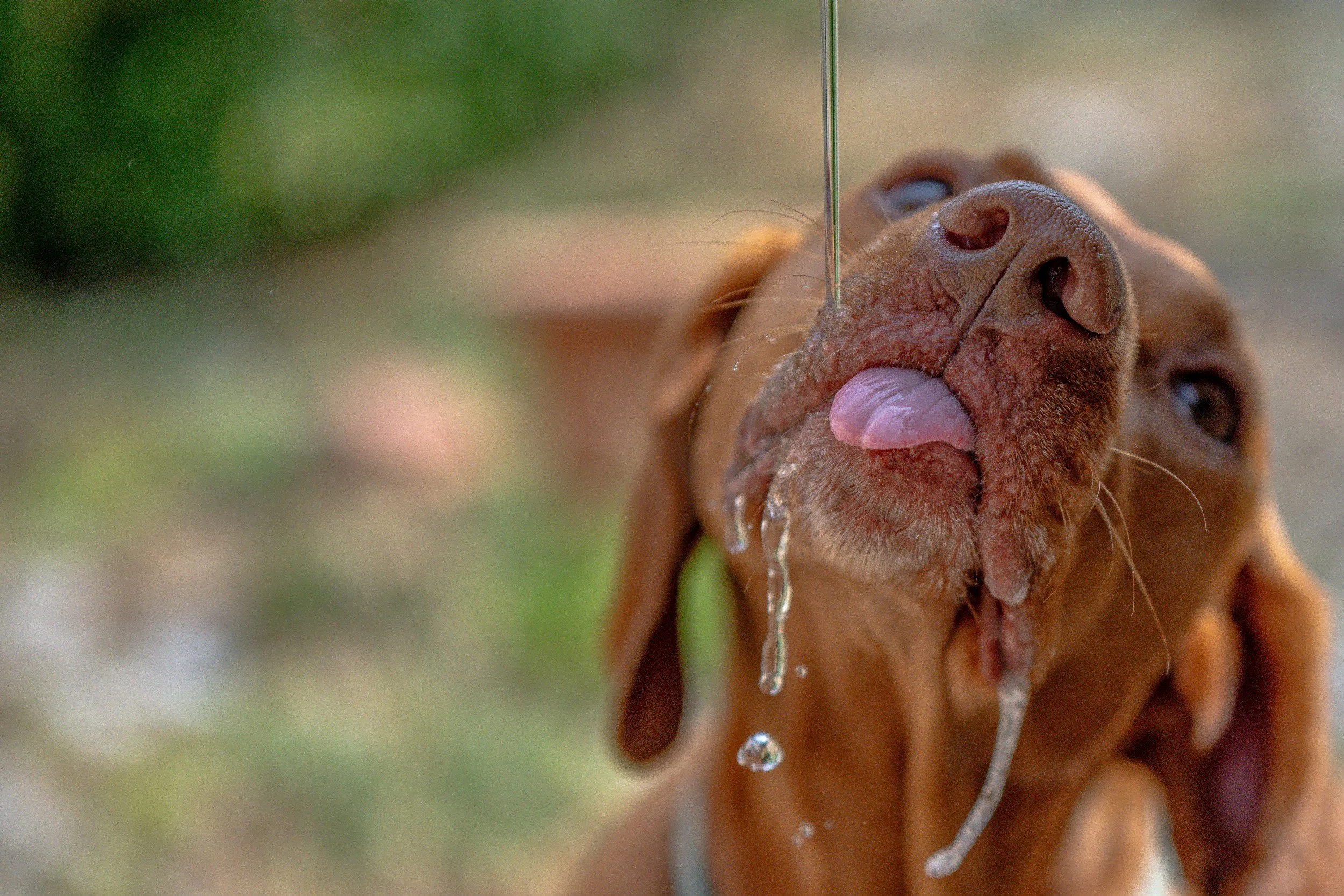
Why Dogs Overheat
Unlike humans, dogs don’t sweat through their skin. They mainly cool down by panting and releasing heat through their paw pads, which makes them much more vulnerable in high temperatures, especially for flat-faced breeds, older dogs, or those with health conditions.
Things NOT to Do During a Heatwave
Avoid these common mistakes that can put your dog at risk:
Don’t leave your dog in the car - even for a few minutes with the windows open. Temperatures inside a car can rise dangerously fast, leading to heatstroke.
Don’t walk on hot pavement or sand - if the ground is too hot for the back of your hand after 5-10 seconds, it’s too hot for your dog’s paws.
Don’t put a wet towel over your dog’s back - this can trap heat and make them hotter. Let them lie on a damp towel instead.
Don’t force exercise or play in the heat - avoid vigorous activities like ball-chasing or running during peak heat hours (11am-3pm)
Don’t use ice-cold water to cool an overheated dog - this can cause blood vessels to constrict and slow cooling. Use cool or lukewarm water instead.
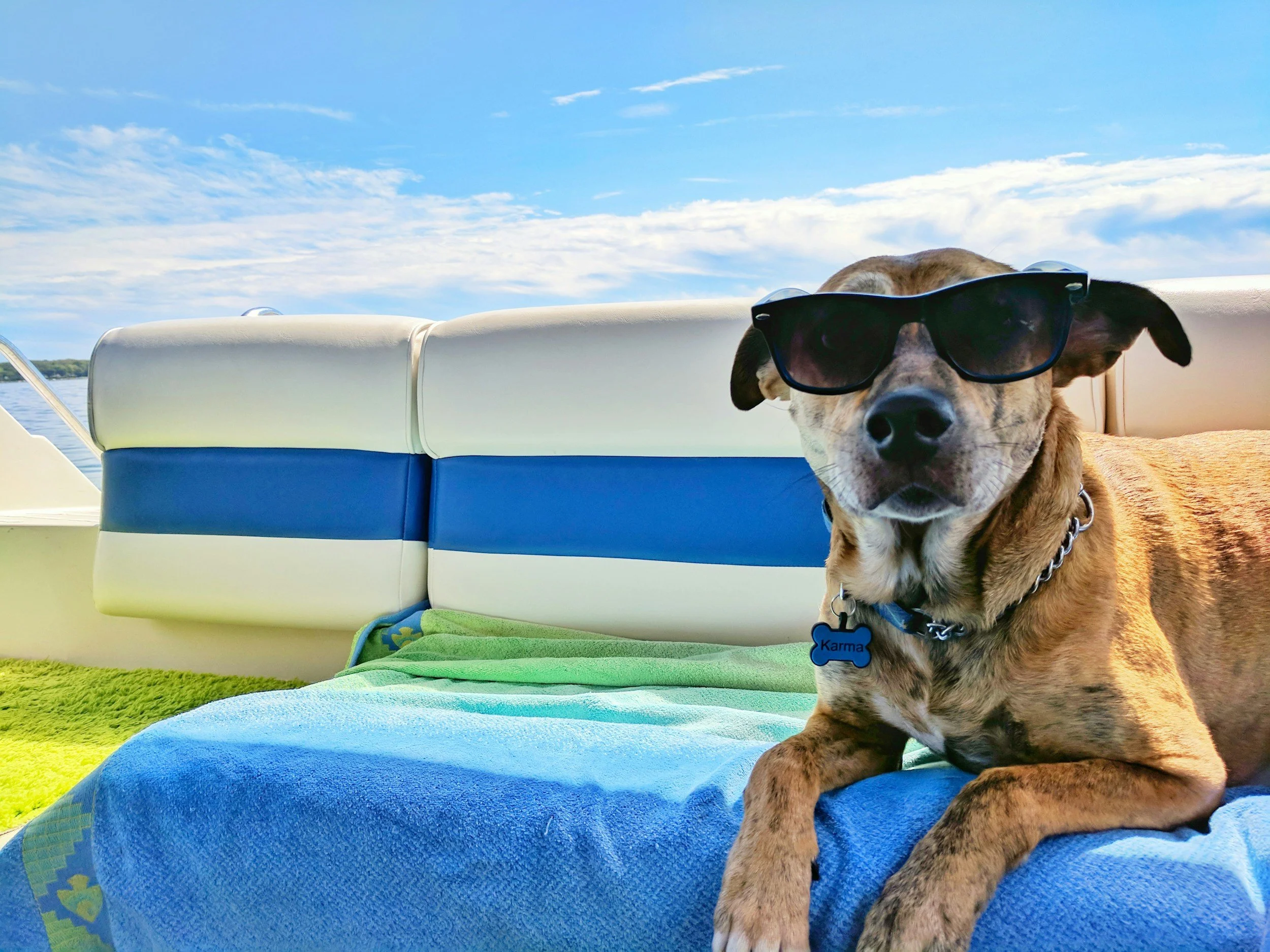
Smart Ways to Keep Your Dog Cool
Here are vet-approved, dog-friendly ways to help your pup stay comfy when it’s hot:
Provide plenty of fresh, cool water - leave multiple bowls around the house and garden, and add a few ice cubes to keep it cool.
Create cool zones - Set up shaded areas with fans or open doors for airflow, and keep curtains drawn during the day to block direct sun.
Use frozen treats - freeze dog-safe fruits like banana or carrot, or stuff a Kong with wet kibble and freeze it for a cooling snack.
Set up a paddling pool - a shallow pool in a shady spot lets your dog splash and cool down.
Try cooling mats or damp towels - let your dog lie on a cool mat or a towel soaked in cool water.
Adjust walk times - walk early in the morning or later in the evening when it’s cooler and stick to grassy or shaded routes.
Use sprinklers or hoses - many dogs love playing under a gentle spray, it’s fun and cooling!
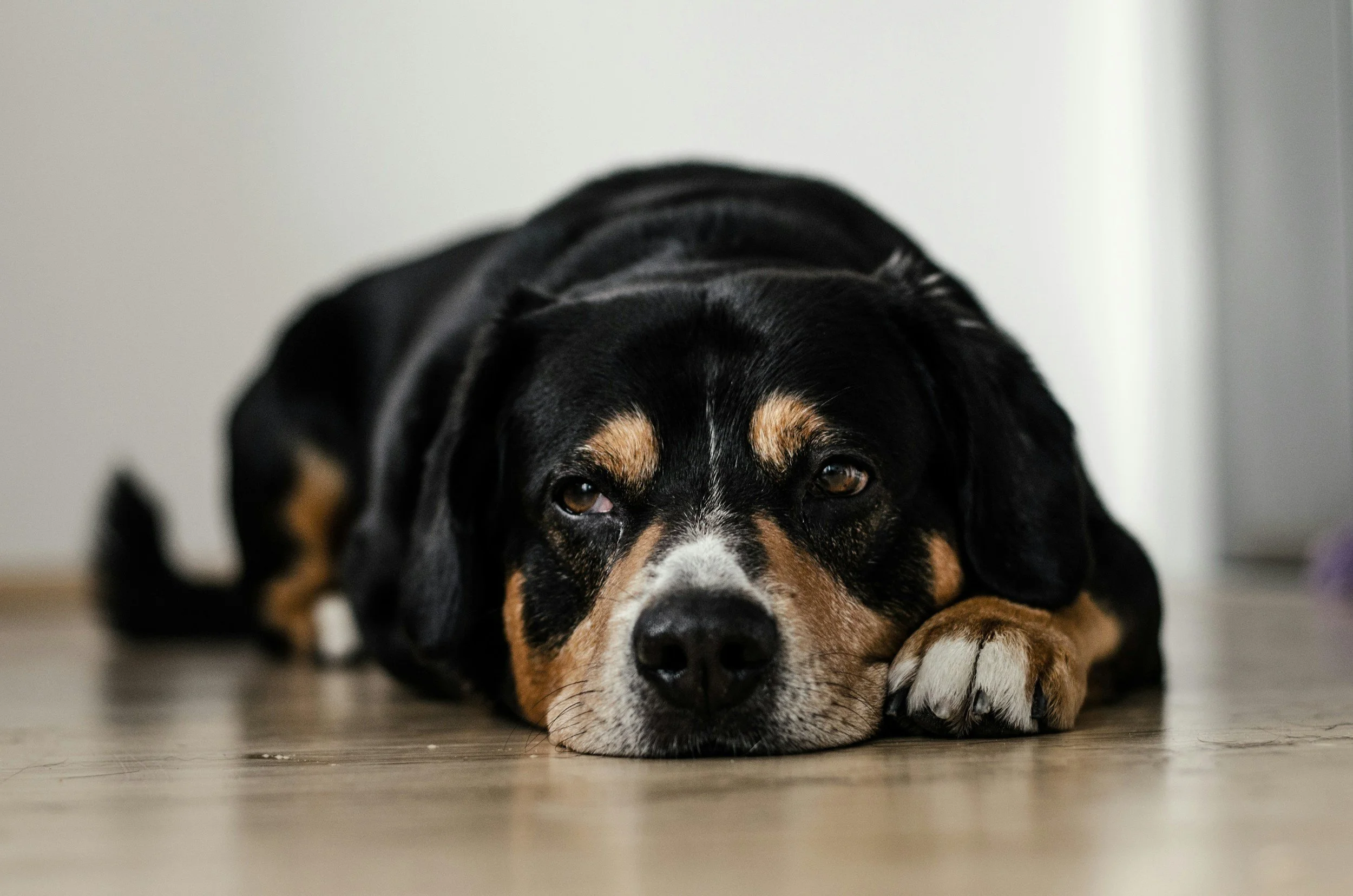
Spotting the Signs of Overheating
Know what to watch for so you can act fast if your dog is struggling:
Early signs: Excessive panting, restlessness, drooling, bright red gums or tongue, seeking shade or water, wide/stressed eyes.
Warning signs: Noisy or fast breathing, muscle spasms, weakness, lethargy, vomiting or diarrhoea, increased heart rate.
Emergency signs: Collapse, confusion, seizures, blue or pale gums, loss of consciousness, dark or red urine.
What to Do If Your Dog Is Overheating
If you suspect heat exhaustion or heatstroke, act quickly:
Move your dog to a cool, shaded area with good airflow.
Wet their coat with cool (not cold) water, focusing on the neck, belly, armpits, and inner thighs, areas with high blood flow.
Offer small amounts of cool water to drink.
Contact your vet immediately, even if your dog seems to improve. Heatstroke can cause internal damage that isn’t immediately obvious.
A Few Extra Tips:
Know your dog’s risk - Brachycephalic breeds (like Bulldogs, Pugs), overweight dogs, seniors, and those with heart or respiratory issues are more prone to overheating.
Never ignore the signs - Heatstroke is life-threatening and can progress quickly, quick action saves lives.
Keep car trips to a minimum - If you must travel, ensure the car is well-ventilated or air-conditioned and bring water.
Your dog counts on you to keep them safe when the weather turns hot, with a little planning, some cool treats, and a watchful eye, you can help your furry friend enjoy summer without the stress. Stay cool, stay safe, and give your pup an extra belly rub for being such a good sport in the heat!