
Top 10 Questions UK Dog Owners Ask Vets Most Often
Hey there, fellow dog lovers! Whether you're a brand new puppy parent or an experienced dog owner, we've all got those endless questions about keeping our furry besties healthy and happy! I’ve pulled together the top 10 most common questions from UK vet surveys and pet care experts, with friendly, detailed answers to make life easier.

How often should I take my dog to the vet?
Healthy adult dogs need annual check-ups for vaccinations, dental checks and overall health screening, while puppies require initial boosters every 2-4 weeks until 16 weeks, followed by an annual plan.Seniors over 7 years benefit from six-monthly visits to monitor age-related issues like arthritis, kidney problems, or cognitive decline early, potentially extending their lifespan through proactive care.
What vaccinations does my dog need?
Core shots include distemper (protects against respiratory and nervous issues), parvovirus (a deadly gut infection) hepatitis (liver disease), and leptospirosis (bacterial infection from contaminated water)Discuss lifestyle vaccines like kennel cough (bordetella) or rabies if travelling; vets tailor schedules based on your dog's age, breed, and exposure risks for optimal immunity.
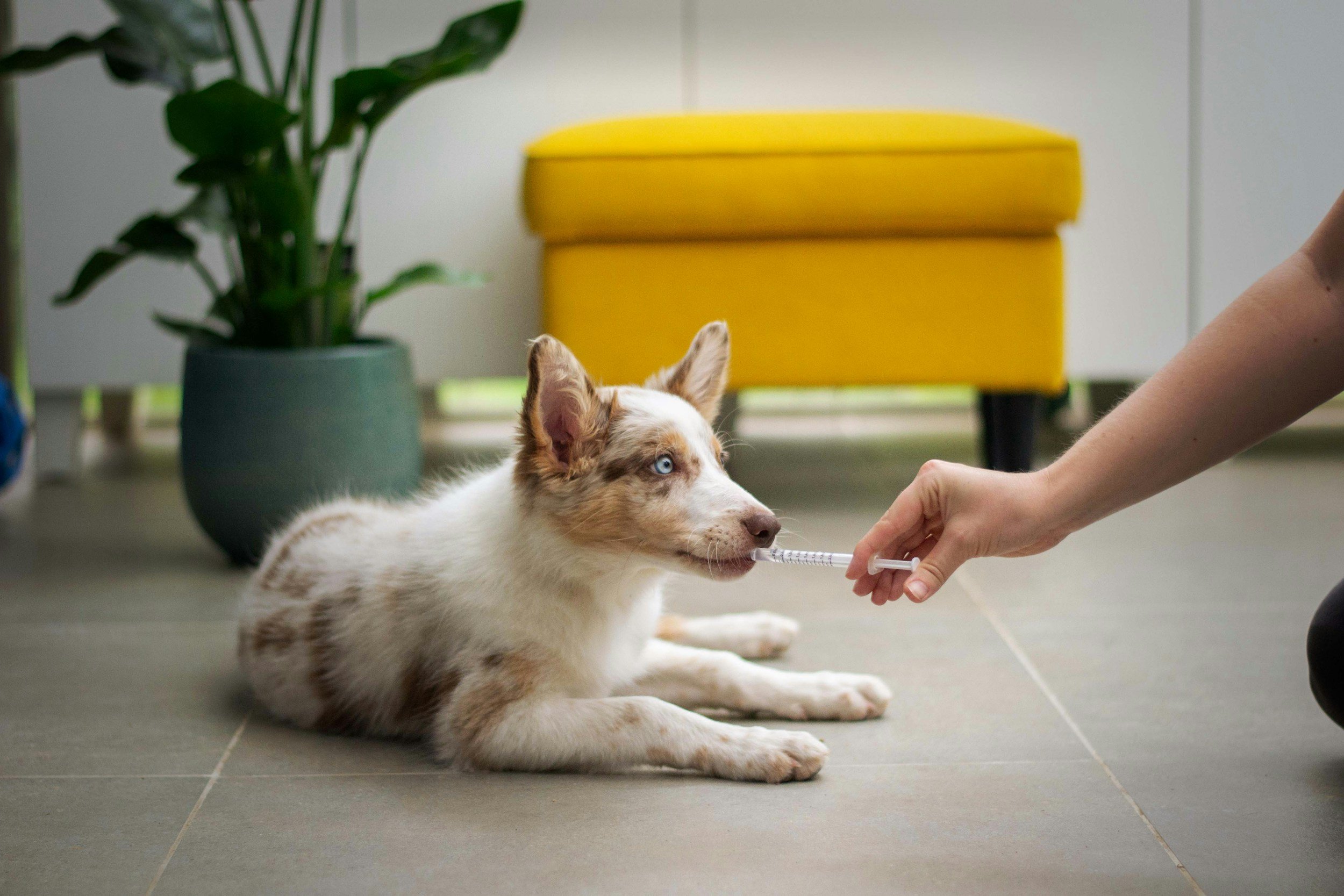
When should I spay or neuter my dog?
Around 6 months is typical for small breeds to prevent unwanted litters and reduce cancer risks, but larger dogs may wait until 12-18 months to allow full growth and avoid joint issues like hip dysplasia.Females can be spayed post-first heat for mammary cancer protection, while males benefit from neutering to curb roaming and aggression, always consult your vet for breed-specific timing and health considerations.
How much should I feed my dog?
Follow package guidelines based on age, size, weight, and activity level, using measured cups to avoid overfeeding; for example, a 10kg adult needs about 200-400g daily split into two meals.Adjust portions if your dog maintains an ideal body condition, visible waist from above, palpable ribs without excess fat and monitor treats to under 10% of calories to prevent obesity.
What foods are toxic to my dog?
Common dangers include chocolate (theobromine causes vomiting, seizures, heart issues dark is worst), grapes/raisins (kidney failure even in small amounts), onions/garlic (anaemia from red blood cell damage), xylitol (in gum/candy, triggers insulin surge and hypoglycaemia), and alcohol/macadamia nuts (neurological symptoms).Safe alternatives like carrots or blueberries exist, but always check with a vet and store human foods securely.
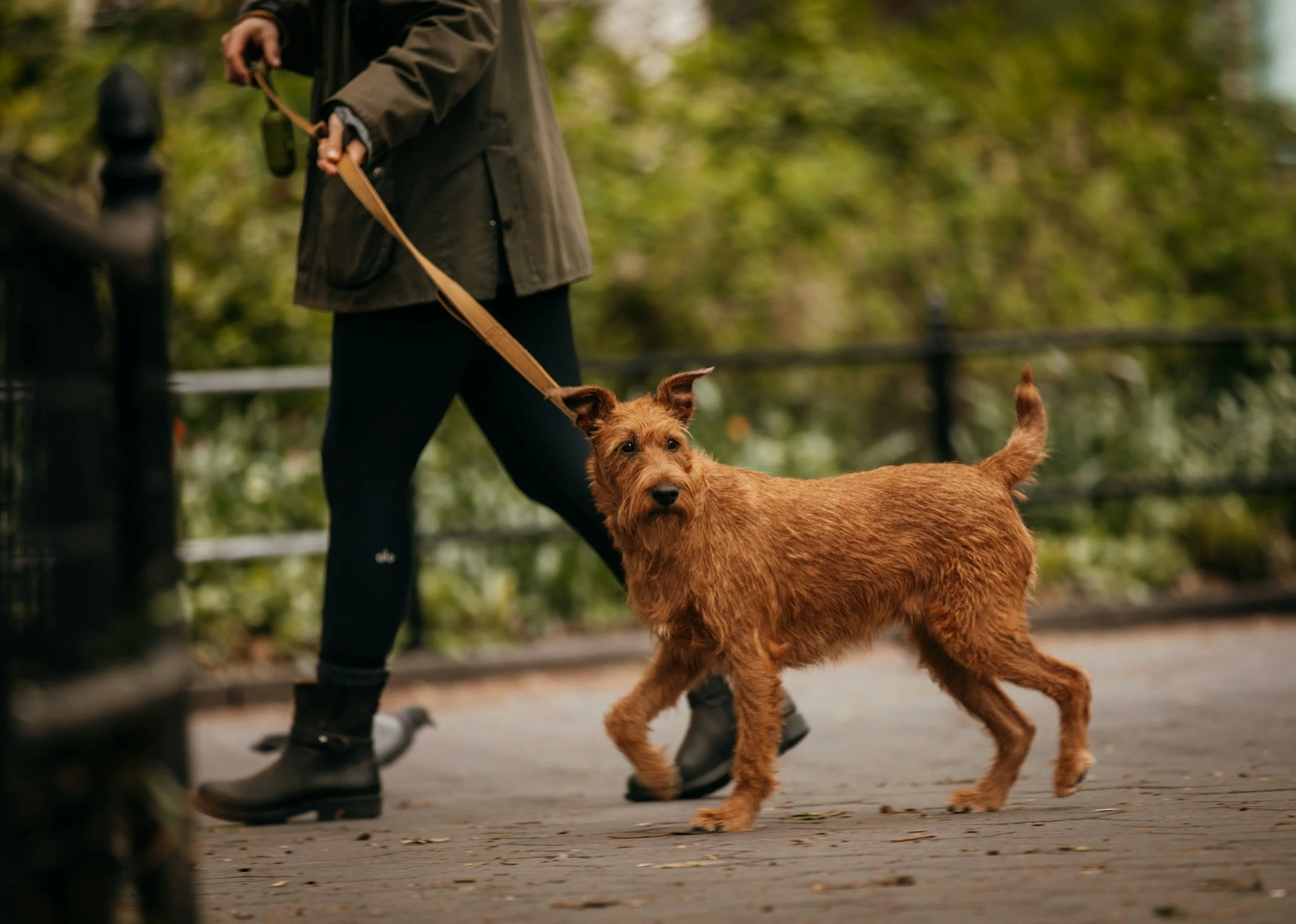
How do I stop my dog pulling on the lead?
Use positive reinforcement techniques: stop walking when they pull, only move forward on a loose leash, and reward with treats/praise for good behaviour; a front-clip harness reduces leverage better than collars.For step-by-step methods, check my detailed guide: Stop Your Dog Pulling on the Leash: Proven Training Tips from a Professional Dog Trainer
What are signs my dog is in pain?
Look for obvious cues like limping, whining, excessive panting, trembling, or aggression when touched, plus subtle ones such as pacing, hiding, reduced appetite, dilated pupils, or changes in posture/grooming.Chronic pain from arthritis might show as reluctance to jump or slower movements; track patterns in a journal and seek vet advice promptly, as dogs mask discomfort instinctively.
How can I prevent fleas and ticks?
Apply vet-recommended monthly spot-on treatments (like fipronil or imidacloprid), oral meds, or collars year-round, especially in spring/autumn when parasites peak; check your dog's coat daily after countryside walks, focusing on ears, armpits, and groin.Combine with home cleaning (vacuum/wash bedding) and avoid natural remedies without vet approval, as they may lack efficacy against UK strains.
Why does my dog eat poop (coprophagia)?
Causes include nutritional gaps (e.g., enzyme deficiencies), boredom, stress, medical issues like worms/parasites, or instinct from puppyhood; pregnant dogs may eat it for hygiene.Improve with high-quality diet changes, daily exercise, "leave it" training commands, prompt yard clean-ups, and vet checks for underlying GI problems, probiotics can help in some cases.
How do I know if my dog is overweight?
Perform the "hands-on test": feel ribs easily with slight fat cover, see a clear waistline from above and abdominal tuck from side; an official body score of 4-5/9 is ideal.Over 50% of UK dogs are overweight, raising risks for diabetes, heart disease, and joint strain, aim for gradual 2% weekly weight loss via portion control and activity boosts.
Got more questions about your dog's care? Book a free 30-minute consultation today, let's chat and tailor advice just for you!
Book in here: https://www.yourpetsandme.co.uk/contact