
Enrichment isn’t just “fun extras” for dogs-it’s a core component of dogs mental and physical welfare. Research shows that regular, varied enrichment reduces stress, prevents problem behaviours, and improves overall quality of life for dogs in homes, shelters, and kennels.

What Is Canine Enrichment?
Environmental enrichment means adding meaningful stimuli and activities to a dog’s environment so they can express natural behaviours, make choices, and engage their senses. It goes beyond exercise: it targets a dog’s nose, brain, body, and social needs.
Enrichment is essential for the physical and mental health of all dogs and allows them to engage in natural behaviours such as smelling things, playing, digging, running, exploring, and interacting socially.
Common enrichment types include:
Food-based: puzzle feeders, snuffle mats, stuffed Kongs, scatter feeding
Olfactory (scent): scent trails, “find it” games, novel smells
Tactile/physical: different surfaces, digging boxes, water play
Cognitive: training games, problem-solving toys, novel tasks
Social: structured play with people or other dogs, cooperative games like tug
Exploratory: new routes, new environments, bury-and-find games, digging pit
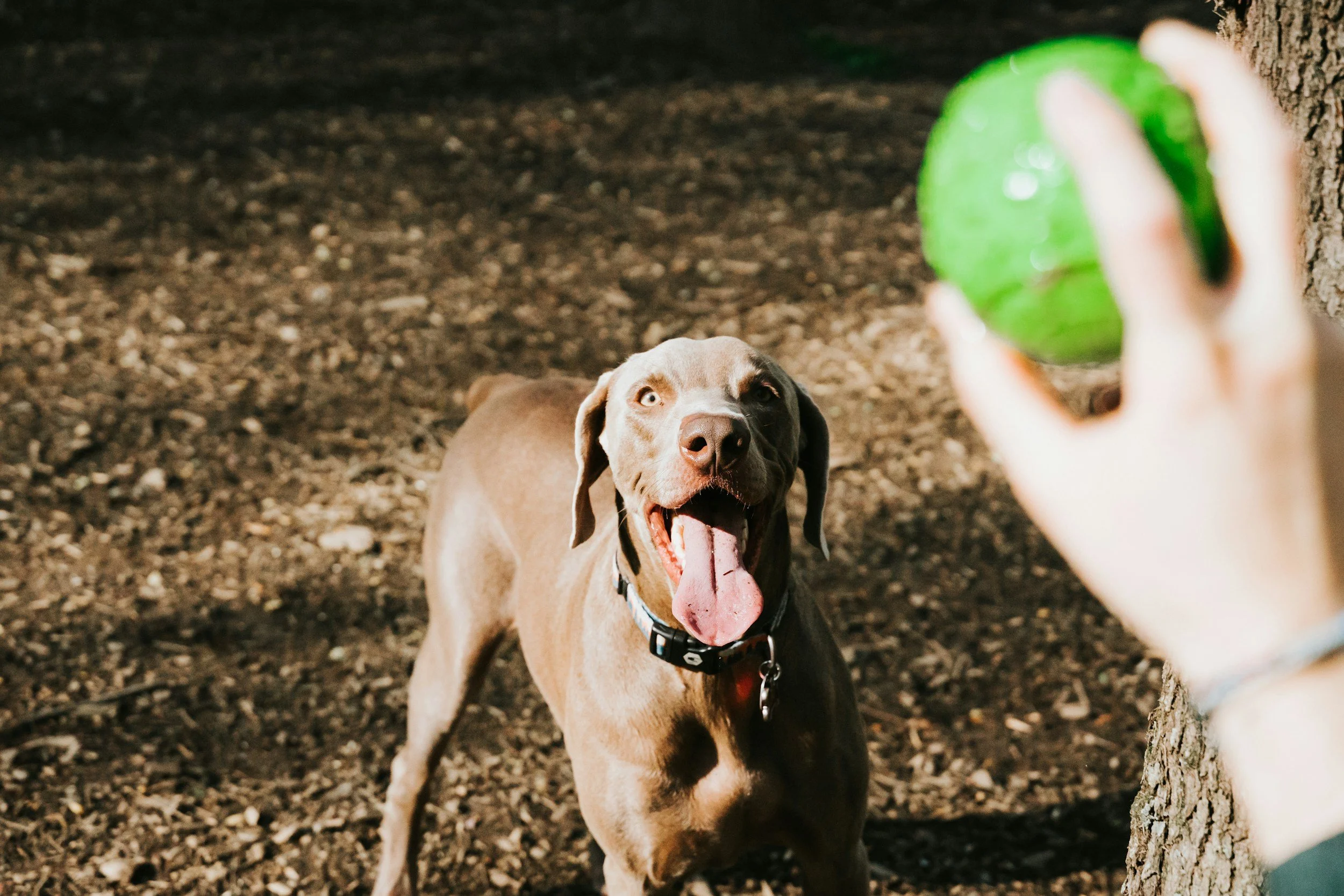
1. Reduced Stress and Better Welfare
Studies consistently show that enrichment lowers stress indicators in dogs. In kenneled dogs, feeding puzzles and chew toys have been linked to:
Less stereotypic behaviour (repetitive pacing, circling, excessive barking)
Lower levels of stress hormones measured in fur samples
More relaxed body language and resting behaviour
Exposing dogs to novel scents (for example via snuffle mats or scented toys) has been shown to increase dogs level of engagement, reduce stress-related behaviours, and increase time spent resting.
2. Fewer Problem Behaviours
Bored, under-stimulated dogs are more likely to develop unwanted behaviours such as chewing, digging, and nuisance barking. Research in assistance dogs in training found that structured enrichment (tug toys, playhouse time, conspecific play) significantly reduced stress-related behaviours over an eight-week period.
In shelter and kennel settings, dogs given appropriate enrichment show fewer stress and frustration behaviours, making them calmer and easier to manage.
Animals that are under-stimulated are at an increased risk for behavioural problems, including destructive behaviour, digging, escaping the house or garden, excessive movement, attention-seeking behaviours, excessive vocalisation, and even compulsive behaviours. The good news is that many of these problem behaviours improve with appropriate enrichment!

3. Improved Cognitive and Emotional Health
Enrichment gives your dog’s brain a workout, just like exercise works their body. When dogs get the right kind of mental challenges, they feel happier, learn more easily, and adapt better to new situations.
Puppies that experience enrichment between about 5-14 weeks old tend to grow up a bit friendlier and more comfortable around people. This suggests that early enrichment can shape a dog’s personality in a positive, long-lasting way.
The good news is that enrichment helps at any age. Dogs that get regular mental stimulation throughout life show slower signs of age-related brain decline, meaning they stay sharper and more engaged for longer.
Enrichment benefits dogs whether they live in:
Family homes
Shelters and rescue kennels
Working-dog programmes (military, assistance, detection)
Research or laboratory environments
In each case, studies report calmer, healthier, and more behaviourally stable dogs when enrichment is provided consistently.
Digging and Exploring: Why These Matter
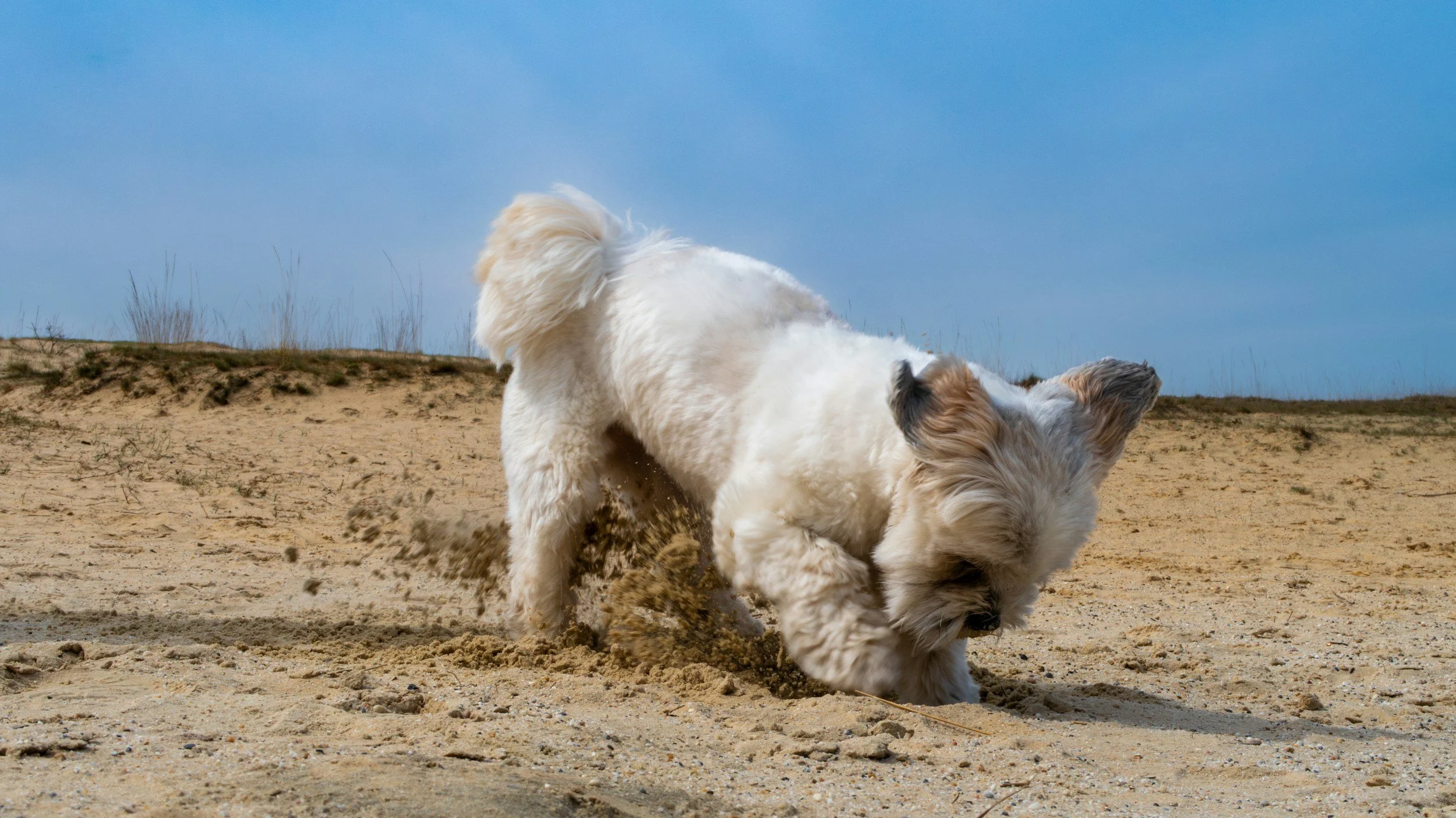
Dogs are born to dig and explore. In the wild, they'd spend most of their day hunting and sniffing around for food. Our pet dogs still have those same instincts, and if they don't get a chance to use them, that energy can turn into problem behaviours like chewing, digging up the garden, or barking.
Letting your dog dig and explore in the right ways actually helps calm them down and cuts down on those unwanted behaviours. Instead of trying to stop digging altogether (which is really hard and can backfire), give them a better outlet. A simple dig pit in the yard, filled with buried toys or treats, can keep them busy and happy in one spot.
Sniffing games are another great way to feed that natural urge. Things like hiding treats for your dog to find, or just letting them take their time to smell everything on walks, do more than burn energy-they make your dog feel satisfied and mentally full. Walks aren't just about exercise; they're about letting your dog be a dog and explore the world through their nose.
How to Build an Enrichment Plan at Home
You don’t need expensive gadgets-variety, rotation, and suitability matter most.
One food puzzle per day: stuffed Kong, snuffle mat, or slow feeder
One scent or exploration game: hide treats around a room or in the garden, or do a simple “find it” search
Short training session: 3-5 minutes of new tricks, recalls, or impulse-control games
Weekly Additions
Novel experience: new walking route, new surface (grass, sand, gravel), or a “dig box” in the yard
Social enrichment: structured play with a known dog friend, or a cooperative game like tug with clear rules
Cognitive challenge: teach a new cue, shape a behaviour, or introduce a new puzzle toy
Dedicated digging time: if you have a yard, create a digging area and bury toys or treats for your dog to find.

Key Points:
Rotate items: novelty keeps enrichment effective; dogs lose interest in the same toy left out all the time.
Match to the individual: consider age, breed tendencies, energy level, and any anxiety or health issues.
Keep it positive: enrichment should feel rewarding, not frustrating-adjust difficulty so the dog can succeed most of the time.
Special Considerations (Heat, Anxiety, and More)
In summer or hot periods, choose cooling-friendly enrichment:
Indoor scent games and puzzles
Frozen stuffed Kongs or lick mats
Shaded digging or water-based play in the cooler parts of the day
For anxious dogs, predictable, low-intensity enrichment (sniffing, licking, gentle puzzles) can be especially calming, while overly exciting games may need to be limited or carefully structured.

To Summarise:
Enrichment is a practical way to improve your dog’s mental health, reduce stress, and prevent behaviour problems. By building in daily scent work, food puzzles, short training, regular novelty, and opportunities to dig and explore, you give your dog the kind of life their brain and body are designed for-not just a roof, food, and walks, but a genuinely enriched one.
Got more questions about enrichment or anything else? Book a free 30-minute consultation today, let's chat and tailor advice just for you!
Book in here: https://www.yourpetsandme.co.uk/contact