
September Separation Anxiety: The Four‑Hour Rule Every Dog Owner Needs
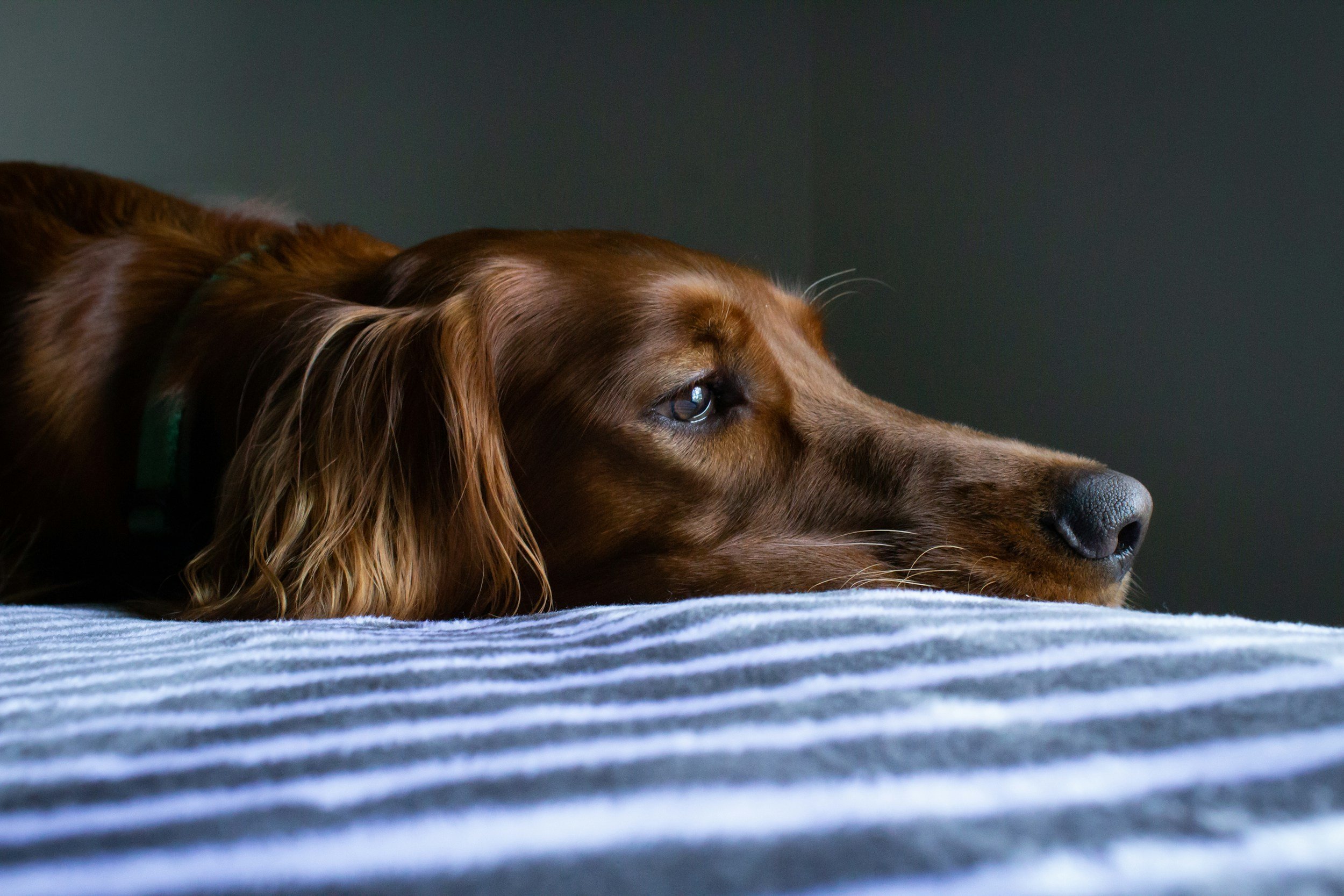
If your dog has started barking, pacing or having accidents since the summer holidays ended, you're not imagining it. September is the peak month for separation anxiety in the UK, as owners head back to work and children return to school.
Vets and behaviourists are now urging all dog owners to follow a simple "four‑hour rule" this month: do not leave your dog alone for more than four hours at a time, and build up to that gradually over the first week back.
Why September is the worst month for dog anxiety
During the summer, many dogs enjoy near‑constant company. Walks are longer, days are lighter, and there are often more people at home. When term time starts, that routine flips overnight.
The RSPCA estimates that around eight in ten dogs struggle when left alone, and September is when this shows up most clearly. Common signs include:
barking, howling or whining when you leave
toileting indoors despite being house trained
chewing, scratching or other destructive behaviour
pacing, panting or hiding
refusing food or treats when you're out
Many owners only spot these behaviours because they check a pet camera or ask neighbours what they hear.
The four‑hour rule explained
The "four‑hour rule" is a practical guideline, not a hard law. The idea is to keep alone time under four hours while you rebuild your dog's confidence, then increase in small steps.
A simple way to structure the first two weeks back:
Days 1–3: leave your dog for 30–60 minutes at a time, several times a day if possible
Days 4–7: increase to 90 minutes, then two hours
Week 2: work up to three hours, then four hours maximum
After that: only increase if your dog is relaxed at each stage
If your dog shows stress at any point, drop back to the previous duration and progress more slowly.
Practical steps to ease the transition
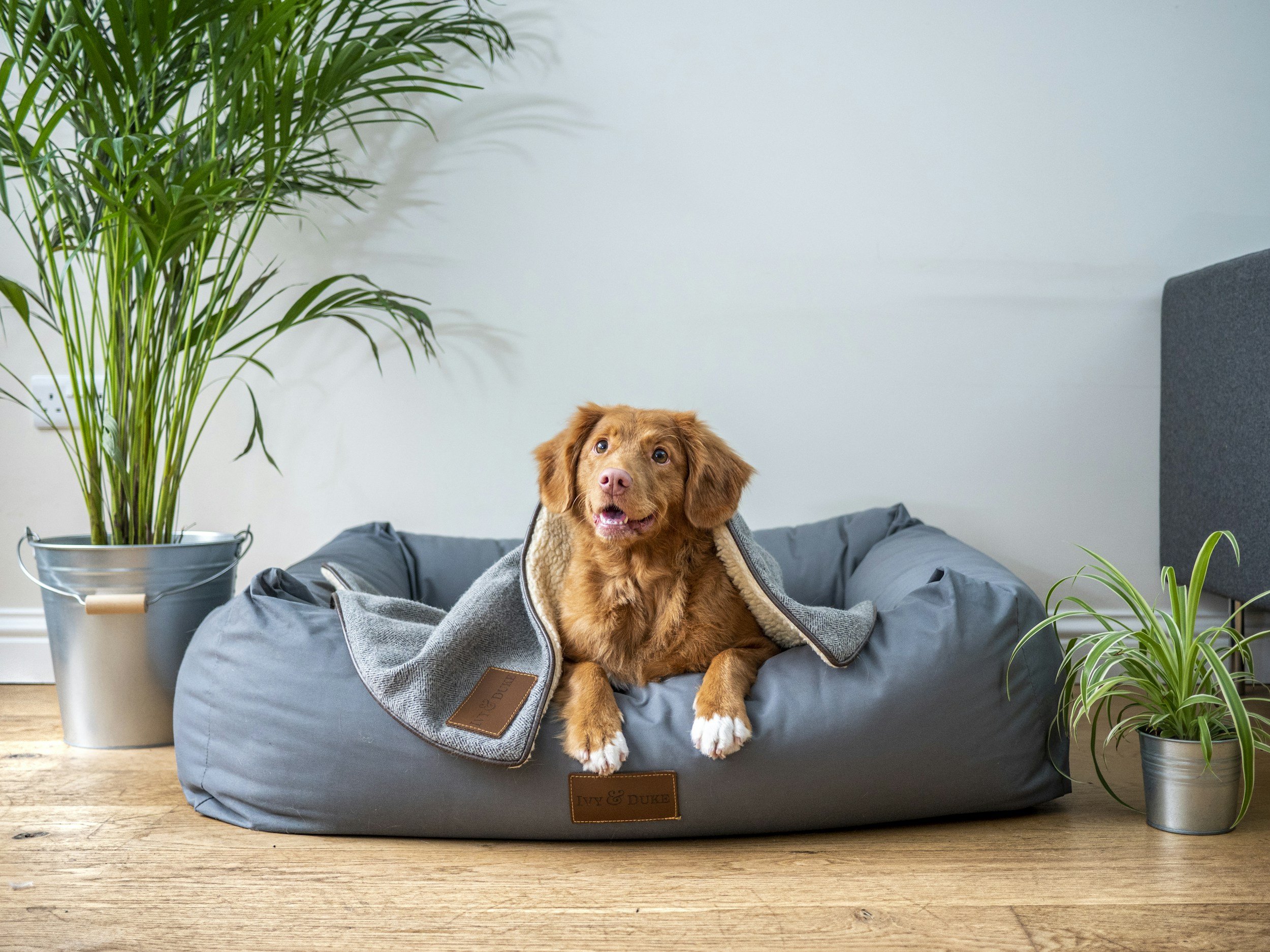
You can make a big difference with small, consistent changes.
1. Rebuild a predictable routine
Dogs feel safer when they know what to expect. Try to keep walk times, meal times and departure times as consistent as possible, even on busy school mornings.
2. Make departures boring
Long, emotional goodbyes can increase anxiety. Keep greetings and farewells low key. Put your shoes on, pick up your keys, and leave without a fuss.
3. Use enrichment, not just treats
Food puzzles, stuffed Kongs, snuffle mats and safe chews can keep your dog occupied and create positive associations with you leaving. Rotate toys so they stay interesting.
4. Desensitise "leaving" cues
Practice the actions that signal you're about to go, without actually leaving. Put your coat on, pick up your bag, walk to the door, then sit back down. Repeat this several times a day so these cues no longer predict a long absence.
5. Consider a pet camera
A simple indoor camera lets you check how your dog copes when you're out. If you see clear signs of distress, you know you need to slow down and possibly seek professional help.
When to get extra help
If your dog is:
injuring themselves trying to escape
not eating or drinking when alone
constantly vocal or destructive despite gradual training
showing signs of stress even when you're home
then it's time to bring in specialist support. Early intervention can prevent mild anxiety turning into a long‑term problem.
Book a free phone consultation
If you're worried about your dog's behaviour this September, or you'd like a tailored plan for your household and routine, you can book a free phone consultation. In a short call we can look at your dog's history, your current setup, and the best next steps, whether that's guided self‑help, a structured training plan or 1:1 support.
Use the link below to choose a time that suits you, and we'll talk through your options with no obligation.