
Probiotics, Omega-3s, Joint Chews, Calming Treats: Which Dog Supplements Are Worth It?
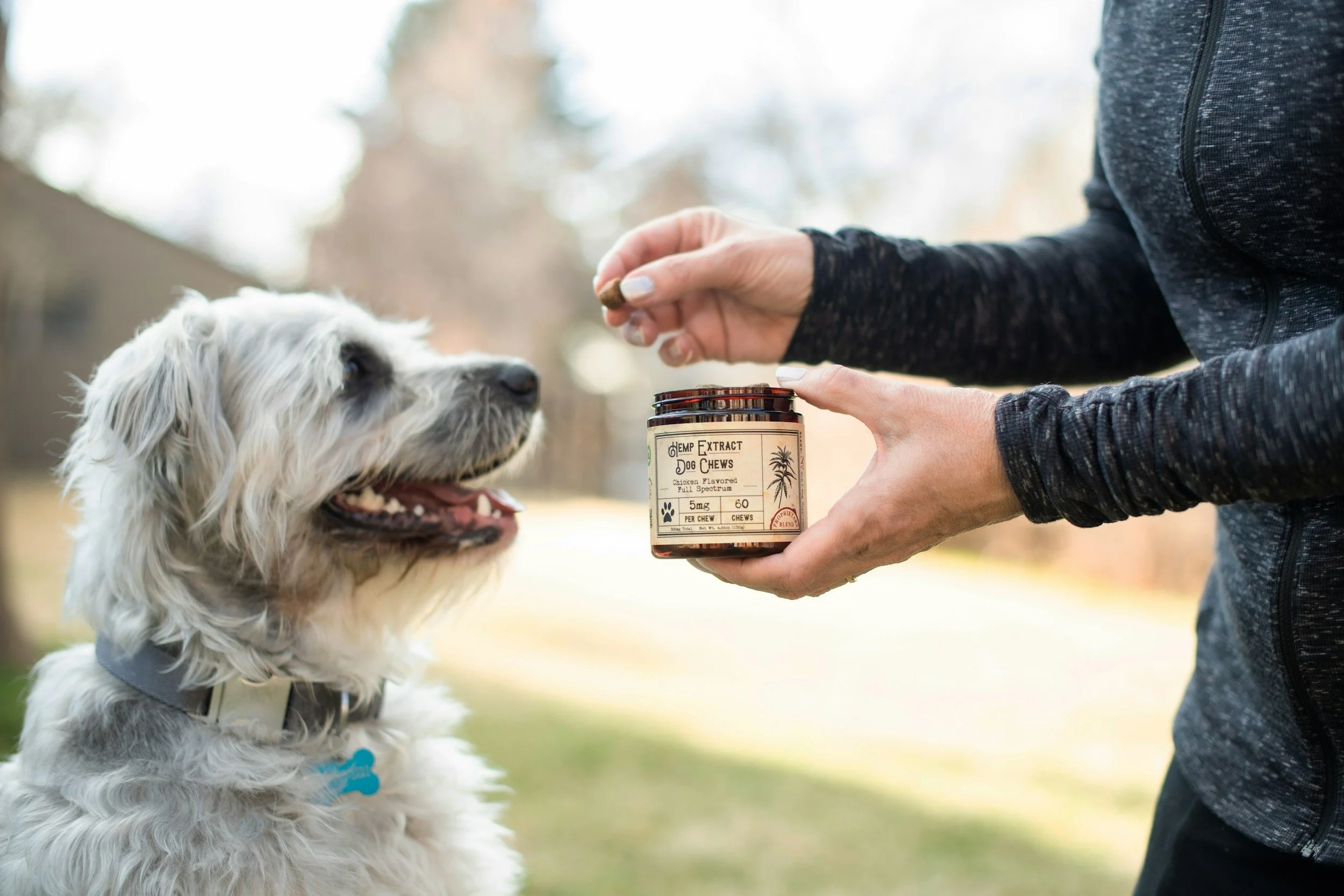
Dog supplements are everywhere: probiotic chews, fish oil, joint support treats and calming products all promise better health, mobility or behaviour. Some can be useful for particular dogs, but many are unnecessary, and the evidence behind them varies widely.
A complete, balanced diet should meet most healthy dogs’ nutritional needs. Supplements are not required for every dog and, in some cases, may be harmful, especially if they duplicate nutrients already present in food or interact with medication.
Before buying anything
Speak to your vet before starting a supplement, particularly if your dog has a health condition, is pregnant, is a puppy, takes regular medication or has had an unexplained change in appetite, weight, toileting or behaviour. Many natural products and supplements have not been adequately tested, so their safety and effectiveness cannot be assumed.
Treats and chews should also be counted as part of your dog’s daily calorie intake. Most treats are not complete and balanced, and veterinary advice is to keep total treats below 10% of daily calories to reduce the risk of nutritional imbalance or weight gain.
Probiotics
Worth considering for: some dogs with digestive upset, particularly when advised by a vet.
Probiotics are live microorganisms intended to support the gut microbiome. Research in dogs suggests they can positively alter gut bacteria, improve faecal quality and support mucosal immunity, although results depend on the specific strain, dose and product quality.
They may be most relevant after episodes of diarrhoea, during certain veterinary treatments, or for dogs with ongoing digestive issues. They are not a substitute for veterinary assessment if your dog has repeated vomiting, blood in stool, significant weight loss, severe lethargy or diarrhoea that does not improve.
What to look for:
A product that states the exact bacterial strain and number of live organisms.
Clear storage and expiry guidance, as viability matters.
Veterinary advice rather than a generic human probiotic, because strains and dosing differ.
Omega-3 fatty acids
Worth considering for: dogs with osteoarthritis, some inflammatory skin conditions, or a vet-identified need for additional EPA and DHA.
Omega-3 fatty acids include ALA, EPA and DHA. EPA and DHA are the forms most relevant to dogs and are found in oily fish, krill oil and algae oil; ALA is mainly found in plant sources such as flaxseed.
Among joint supplements, omega-3 fatty acids have comparatively stronger evidence in dogs with osteoarthritis. A systematic review found low-quality evidence for most nutraceuticals except omega-3 fatty acids in dogs, and clinical studies have reported improvements in weight-bearing and mobility in arthritic dogs given EPA and DHA.
They may be useful alongside, rather than instead of, a vet-led osteoarthritis plan. That plan can include appropriate exercise, weight management, pain relief where needed and regular monitoring.
What to look for:
The amount of EPA and DHA per serving, not simply “fish oil” on the front of the pack.
A product designed for dogs, with clear dosing guidance.
Your vet’s advice if your dog has a clotting disorder, pancreatitis history or takes medication that may interact with high-dose oils.
Joint chews
Worth considering for: some dogs with diagnosed osteoarthritis, but expectations should be realistic.
Joint chews commonly contain glucosamine, chondroitin, MSM, green-lipped mussel extract or collagen. The World Small Animal Veterinary Association includes oral joint supplements as a possible part of a multimodal osteoarthritis approach, but notes that the mechanisms of some products are speculative and their effectiveness is not always supported by rigorous studies.
Evidence for glucosamine and chondroitin in dogs is mixed. A review of nutraceuticals for osteoarthritis found the strength of evidence was low for all nutraceuticals except omega-3 fatty acids in dogs, so a joint chew should not be viewed as a proven treatment on its own.
They may be more sensible as one part of a wider plan for a dog already showing stiffness, reduced mobility or vet-diagnosed arthritis. There is much less evidence that they prevent joint disease in healthy dogs.
What to look for:
A clear list of active ingredients and amounts.
Independent quality control or veterinary recommendation.
A realistic trial period, alongside monitoring for changes in mobility, comfort and side effects.
Calming treats
Worth considering for: mild, situational stress, but not as the main solution for significant anxiety.
Calming treats may contain ingredients such as L-theanine, melatonin, chamomile, passionflower or valerian. Some ingredients have been studied in veterinary settings, but product quality, dose and individual response vary, and most supplements have not been tested as thoroughly as veterinary medicines.
They may have a place for predictable, mild stressors, such as a short car journey or a known noisy event. They are unlikely to resolve separation anxiety, fear-based aggression, panic or ongoing behavioural problems without a structured behaviour and training plan.
What to look for:
Clear active ingredients and dosing instructions.
No sedating effect that leaves your dog unable to respond normally.
Veterinary advice before use, especially alongside anti-anxiety medication or other sedating products.
What is usually not needed
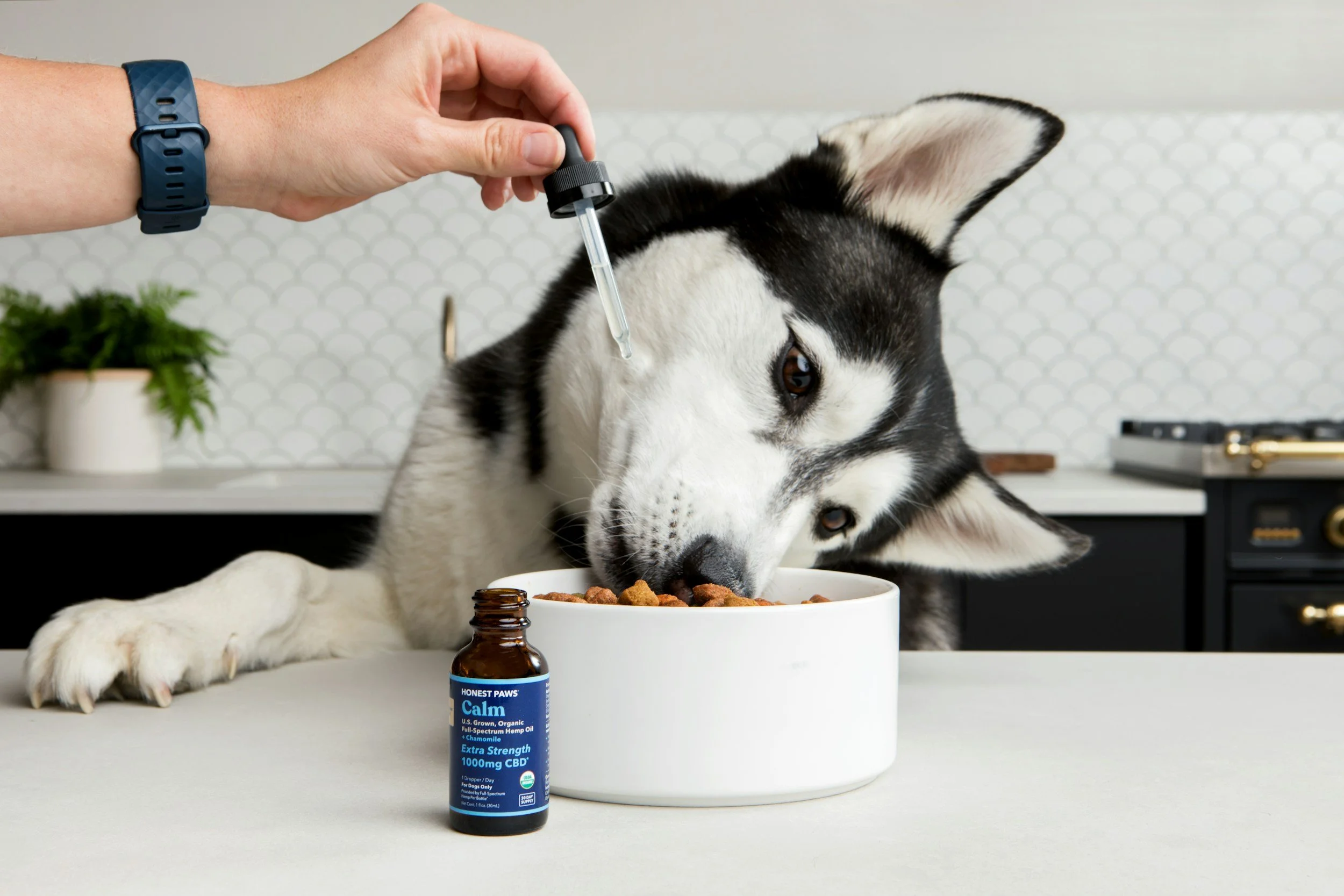
A healthy adult dog eating a complete and balanced diet does not automatically need a multivitamin, general wellness chew or extra vitamins. Nutritional supplements are not required for all dogs and may be harmful in some circumstances, particularly when they provide excessive levels of vitamins or minerals.
Human supplements can be especially risky because doses and ingredients may be unsuitable for dogs. Some human vitamins can be toxic or interfere with medication, so products should be specifically formulated and dosed for dogs.
A practical way to decide
Before buying a supplement, ask:
What specific problem am I trying to address?
Has my vet confirmed the cause of that problem?
Is there reasonable evidence that this ingredient helps dogs with that problem?
Does the label state the active ingredient amount and appropriate dose?
Could it interact with my dog’s medication or add unnecessary calories?
How will I measure whether it is helping?
For many dogs, the highest-value health investments are not supplements but an appropriate complete diet, maintaining a healthy weight, regular exercise suited to the individual dog, preventive veterinary care and early attention to pain or behaviour changes.
Giving Your Dog a Well-Balanced Diet

A balanced diet should provide the right mix of protein, fats, carbohydrates, vitamins, minerals and water for your dog’s life stage and activity level. The simplest way to achieve this is to feed a complete and balanced commercial food, then keep treats and extras to less than 10% of daily calories.
Useful food sources
Protein: Lean meat such as chicken, turkey, beef, lamb or fish provides amino acids for muscle maintenance, skin, coat and immune function. Eggs are also a useful protein source.
Healthy fats: Oily fish, fish oil and algae oil provide EPA and DHA omega-3 fatty acids. Small amounts of oils can support energy intake, but they are calorie dense, so portion control matters.
Carbohydrates and fibre: Cooked rice, oats, sweet potato, pumpkin and vegetables can provide energy and fibre. Fibre supports healthy digestion and can help dogs feel satisfied.
Vitamins and minerals: A varied, complete diet should supply these. Vegetables and fruits such as carrots, blueberries and green beans can be useful low-calorie additions, but they should complement rather than replace a balanced meal.
Water: Fresh, clean water should be available at all times.
A practical approach
For most dogs, a complete commercial diet appropriate for their life stage is the easiest way to ensure nutritional needs are met. If you add fresh foods, introduce them gradually and keep the overall diet balanced rather than relying on one ingredient.
Avoid foods that are unsafe for dogs, including chocolate, grapes and raisins, onions, garlic, xylitol and cooked bones. If you prepare food at home, have the recipe checked by a veterinary nutrition professional, as home-prepared diets can miss important nutrients if they are not properly formulated
The bottom line
Probiotics, omega-3s, joint chews and calming treats can each be useful in the right situation, but none is automatically necessary for every dog. Omega-3 fatty acids have comparatively strong support for dogs with osteoarthritis, probiotics may help selected digestive cases, joint chews are best treated as a possible addition to a broader arthritis plan, and calming treats should support rather than replace appropriate training and veterinary behavioural care.
Ready to Support Your Dog’s Health?

If you are unsure which supplements, if any, could benefit your dog, you do not have to rely on conflicting advice online.
Book a free consultation call to discuss your dog’s health, lifestyle and current routine. We can talk through what you are noticing, what may be worth exploring and the most sensible next steps for you and your dog.
I offer one-to-one support in Essex and the surrounding areas. If you are based anywhere else in the UK or elsewhere in the world, online consultations are also available via Zoom, so you can receive practical guidance from home.
Join the free monthly email newsletter for expert tips, helpful dog-care advice and exclusive offers and discounts.
Book your free consultation call today and take the first step towards a clearer, more confident approach to supporting your dog’s wellbeing.
Please note that this guidance is not veterinary advice. Your Pets And Me is not a vet, so always speak to your own vet before starting, stopping or changing any supplement, diet or treatment, particularly if your dog has a health condition, is pregnant, is a puppy or takes regular medication.