
Stop Your Dog Pulling on the Lead: Proven Training Tips From A Professional Dog Trainer
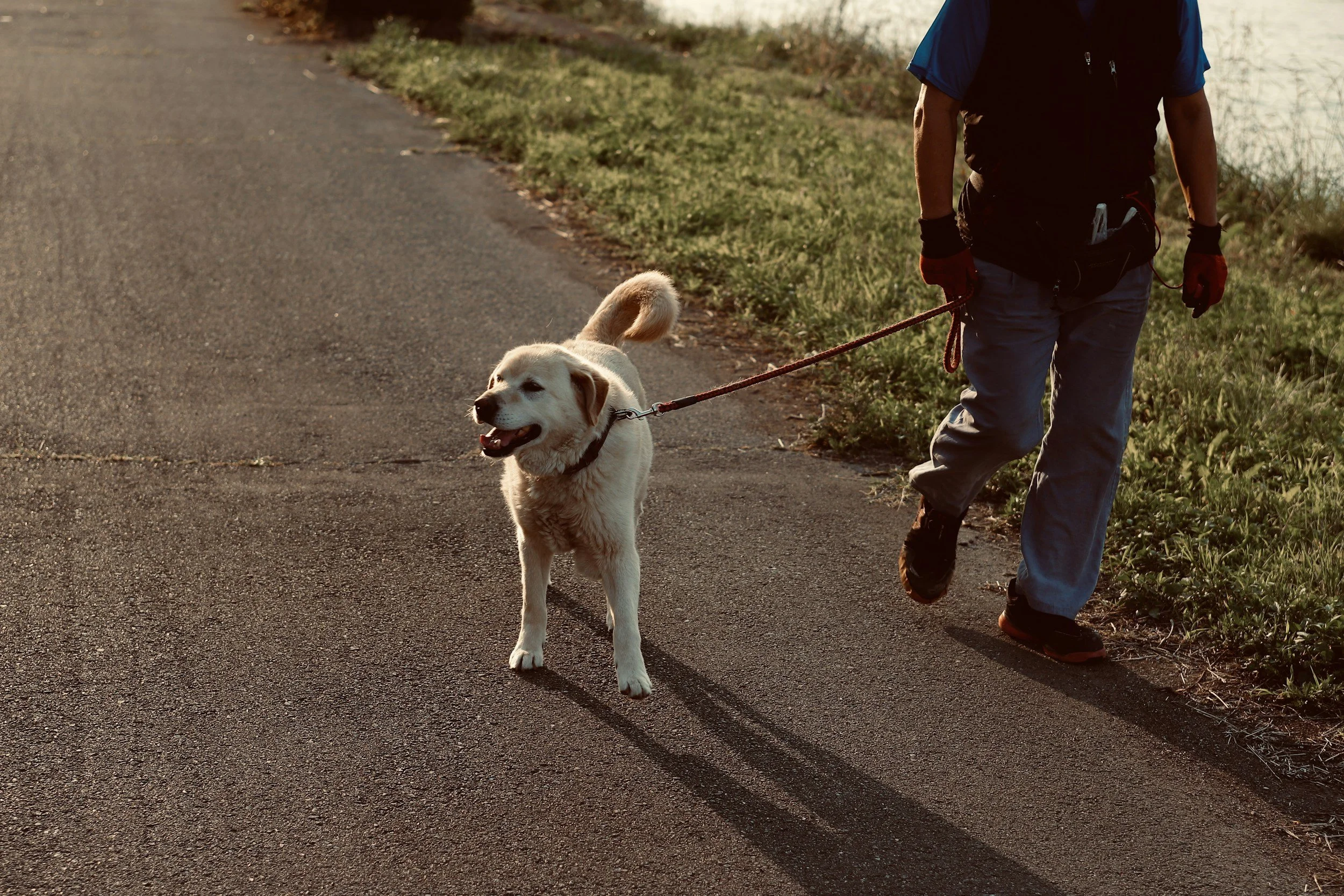
Why Do Dogs Pull on the Lead?
Dogs pull because it's worked for them before, pulling gets them forward faster to exciting smells, dogs, or squirrels, reinforcing the habit over time. Research shows this stems from their natural faster walking pace, often double ours, leading to frustration on both ends if unchecked. Without intervention, it risks injury to you or your dog, like neck strain from collars.
Top Tips to Stop Dog Lead Pulling
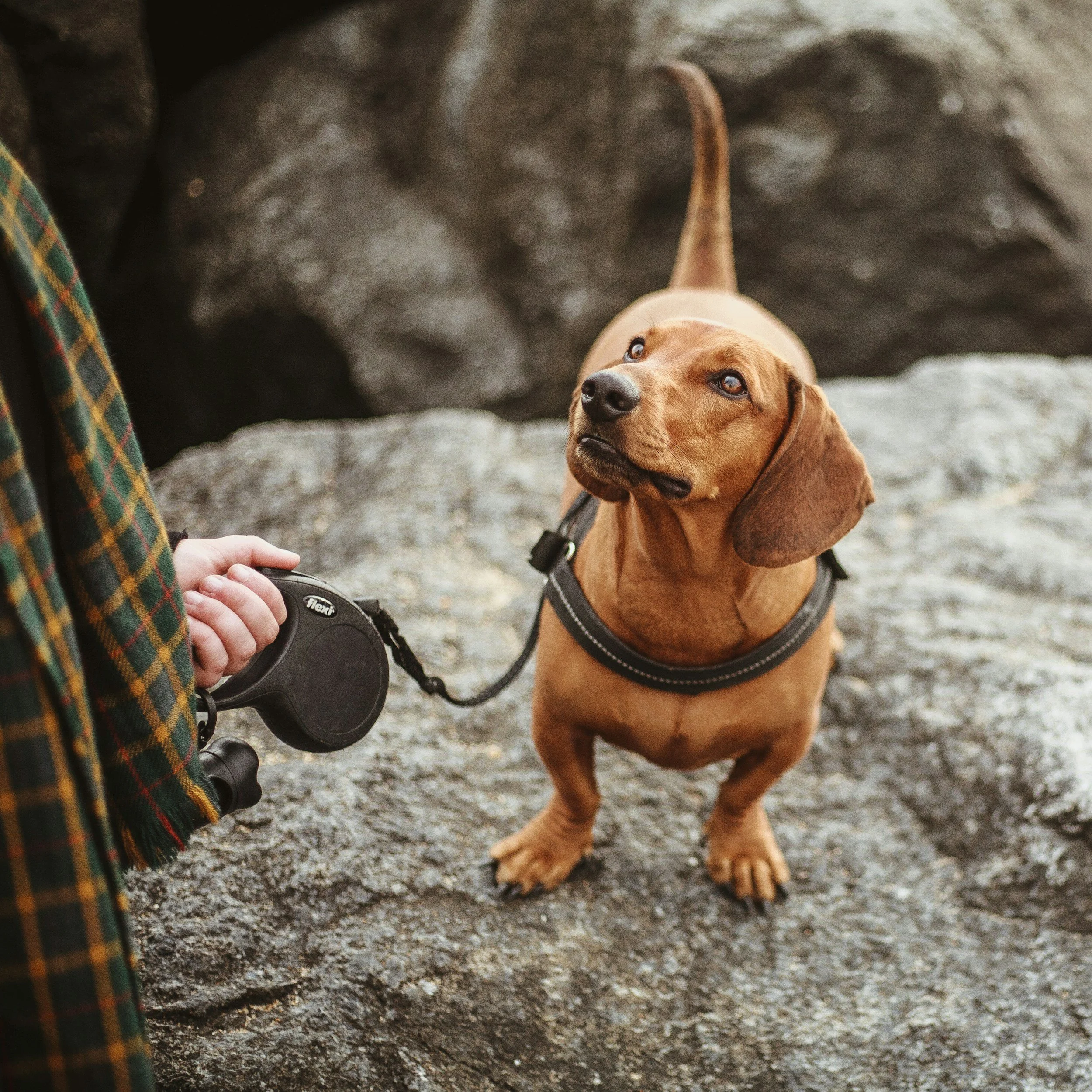
Consistency and positive reinforcement are key to teaching loose lead walking, punitive tools like choke chains often backfire by causing fear or pain. Here's how to fix it step by step:
Choose the right gear: harness, and avoid aversive tools that tighten on pull.
Reward by your side: Start indoors, treat and praise when your dog sits or stands calmly next to you. Gradually add movement, changing directions to keep focus.
Stop when they pull: The moment the lead tightens, freeze. Resume only on a slack lead, walk backward if needed to regain attention, this removes the reward of progress.
Use high-value treats: Load up on chicken or cheese, feed generously for good behavior. Fade treats as they improve.
Practice progressively: Begin distraction-free, then add real-world walks. Sessions last longer at first, but patience will pay off.
Common Questions About Dogs Pulling On The Lead
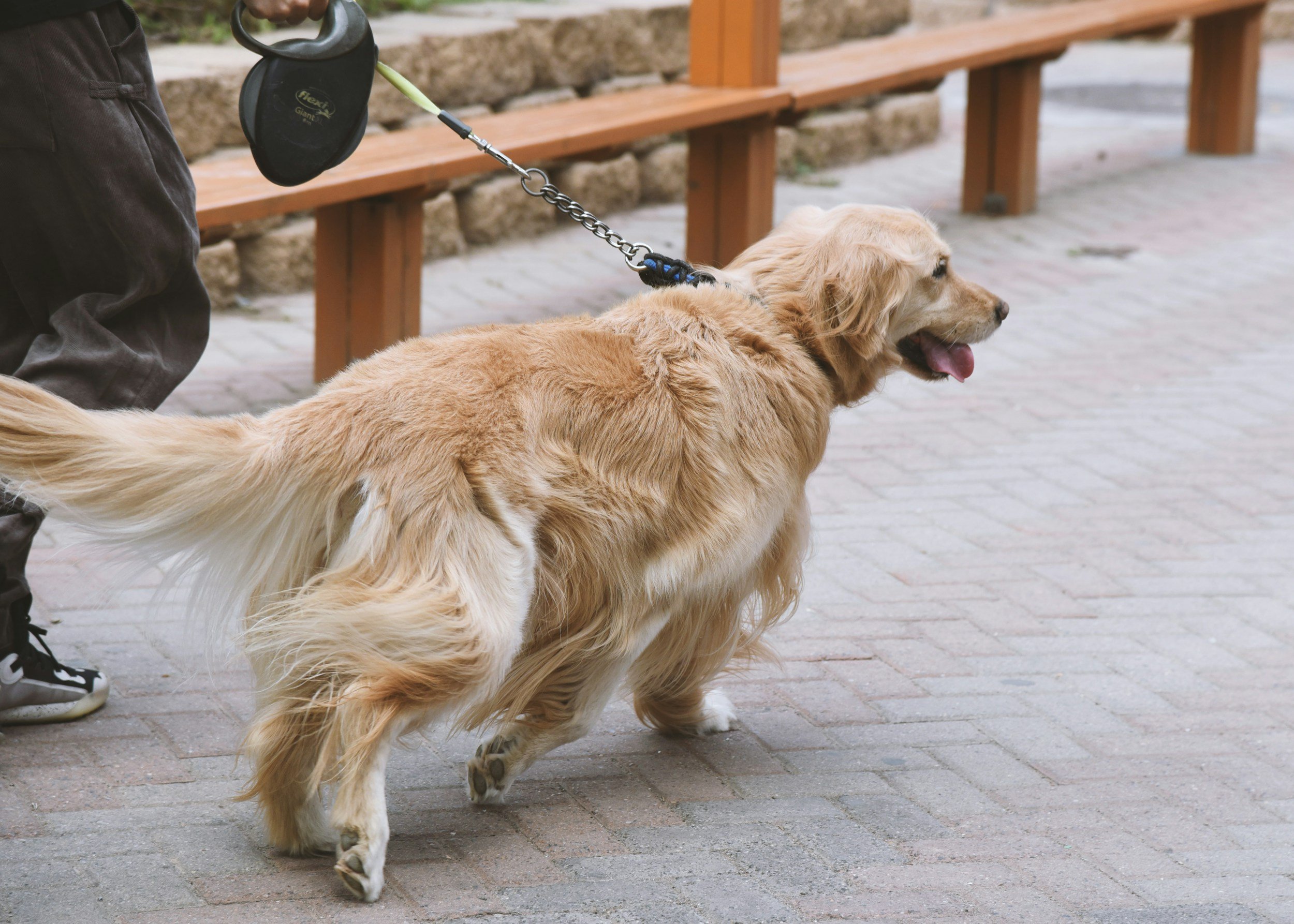
How long does it take to train a dog not to pull?
Expect 2-6 weeks with consistent daily sessions, depending on age and prior habits, puppies learn faster than lifelong pullers.What if my strong dog keeps pulling despite stopping?
Try the Figure of 8 exercise: Walk your dog in figure-eight patterns around cones or markers to boost focus and engagement, rewarding good behaviour like a loose lead or checking in with you, consult a trainer for reactive cases (I offer in-person and online training!)Is a headcollar safe for puppy lead training?
Yes, if introduced slowly at home with treats, attach to both collar and headcollar for control, but phase out for long-term loose lead success.Why does my dog pull more on certain walks?
High-distraction routes (parks, scents) amp excitement, start training on quiet paths and build up.Can older dogs learn loose lead walking?
Absolutely, seniors respond well to positive methods, ruling out health issues first via vet check.
Final Thoughts for Happy Walks
Mastering how to stop your dog from pulling on the lead transforms walks into joyful bonding time. Stick to these dog lead training tips, stay patient, and celebrate small wins, your dog will thank you with calmer companionship. Ready to try? Grab treats and start today!
Need more help to master dog lead training and stop dog pulling with personalised guidance?
Book your free 30-minute consultation with me, Gemma, a certified dog trainer specialising in positive reinforcement loose lead walking, just fill out the form below!